Published · 5 min read
Building a multilingual website in Arabic, French, and English

Zakariae Alliouate
Full-Stack Developer & Software Engineer
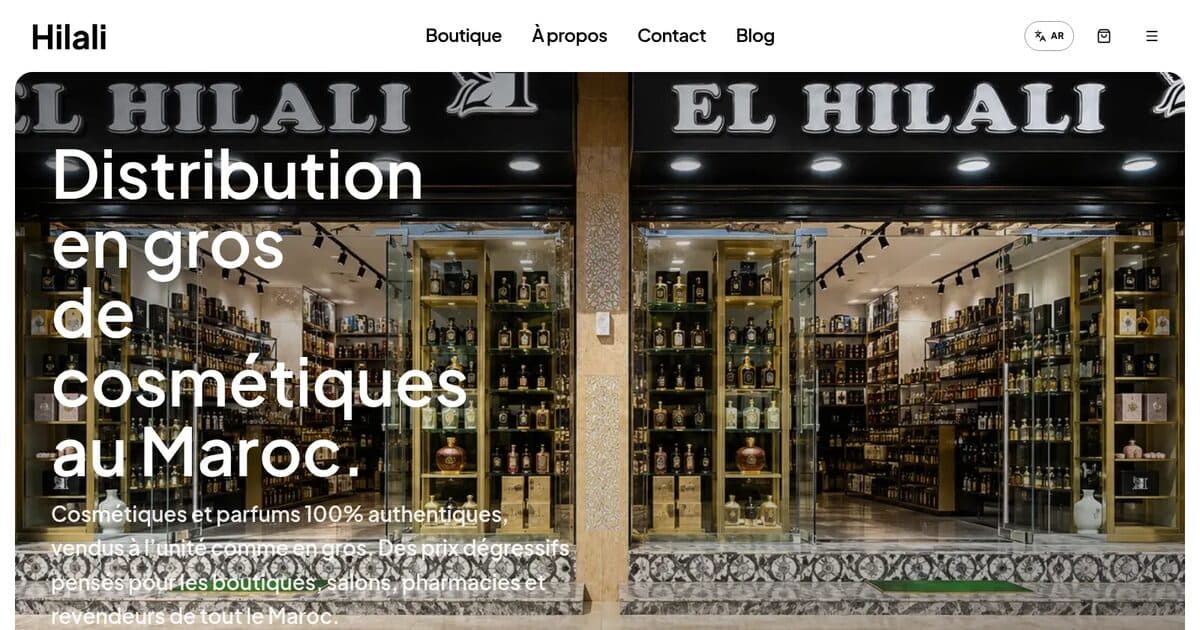
Morocco is a multilingual market: the same customer may search in French, chat in Darija, and read Arabic. A website that speaks their language converts better — but only if it's built properly. Here's what I do on every multilingual project, like Hilali, OZYL, and Karmo.
Give each language its own address
Each language version should live at its own URL, for example /fr and /ar. Switching language with a button that changes the text on the same address hides the other versions from Google. Separate URLs let each language be indexed and rank on its own.
Tell Google which page is which
hreflang tags tell search engines that /fr/services and /ar/services are the same page in two languages, so the right version appears for each searcher. Codes such as fr-MA and ar-MA also signal that the content targets Morocco.
Build a real right-to-left layout
Arabic is read from right to left, so the whole layout should mirror: navigation, icons with direction like arrows, text alignment, and spacing. Modern CSS logical properties make this clean, without maintaining two separate designs.
Choose fonts that support Arabic
Many stylish Latin fonts have no Arabic characters, so the browser falls back to a random system font. Pair your brand font with a quality Arabic typeface, such as IBM Plex Sans Arabic or Noto Kufi Arabic, loaded only on Arabic pages to keep the site fast.
Translate more than the visible text
Page titles, meta descriptions, image alt texts, structured data, and social sharing previews must be translated too. They are what people see in Google results and on WhatsApp when a link is shared.
Let visitors choose — and remember it
Offer a clear language switcher on every page and remember the choice for the next visit. Avoid forcing redirects based on the browser language: they confuse visitors and can stop Google from crawling the other versions.
Done right, a multilingual site lets you reach every customer in the language they trust. If you're planning one, I'd be glad to help.